
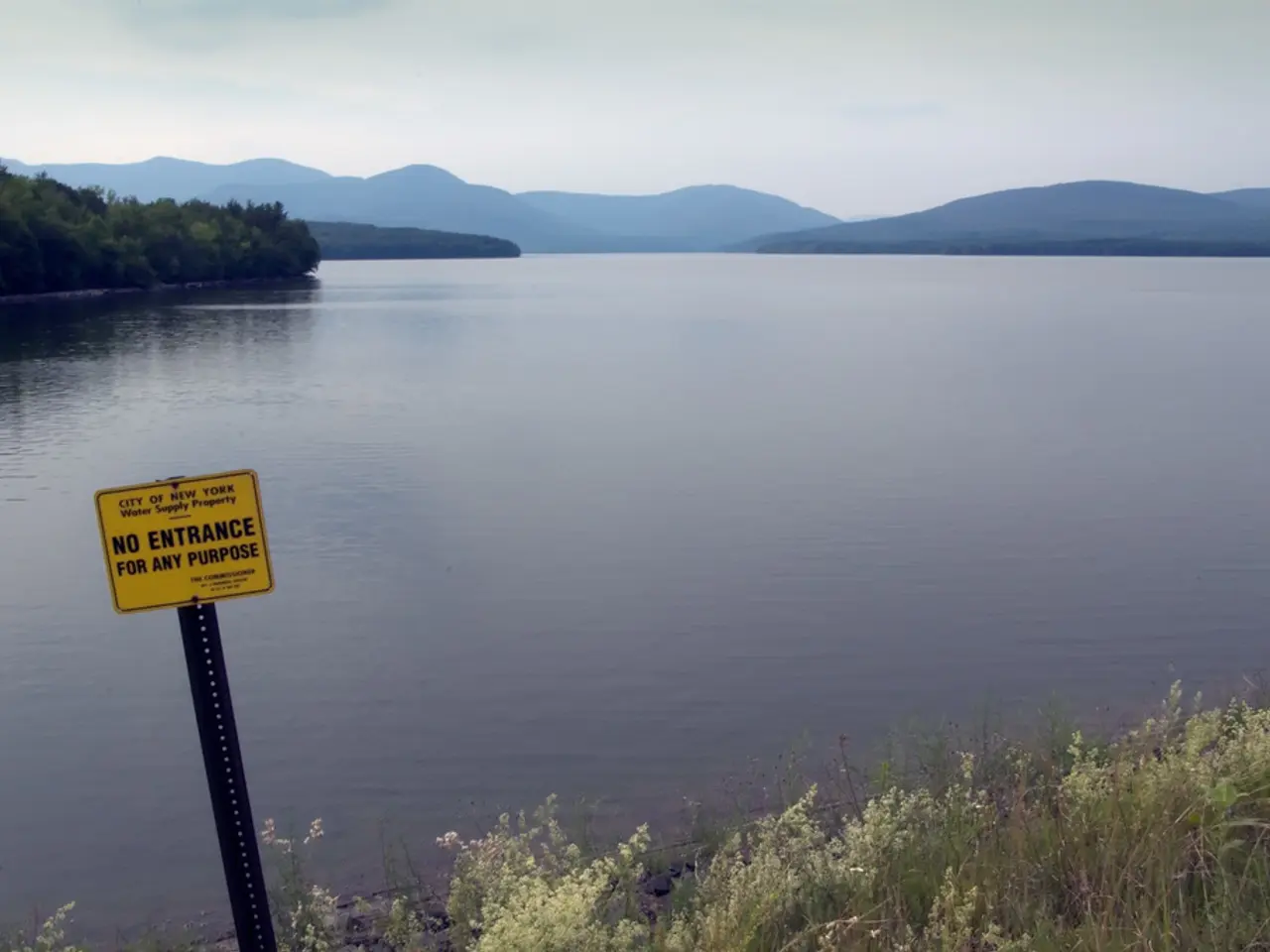
Unbeknownst to many, a well-loved lake in Washington harbors hidden perils for its visitors.
Lake Washington, the second-largest natural lake in Washington State, located between Seattle and Bellevue, is a popular destination for swimming, boating, and watersports during the summer months. However, it's essential to be aware of specific safety precautions and potential risks to ensure a safe and enjoyable experience.
Safety Precautions
- Wear life jackets: Personal flotation devices (PFDs) are crucial, especially for children and near open water. Always ensure your PFD fits well and is properly fastened.
- Close supervision: Keep a constant watch on children and inexperienced swimmers near water, with adults supervising closely at all times.
- Learn CPR and basic rescue skills: Being trained improves the ability to respond effectively in emergencies around water.
- Choose spots with lifeguards: Swim in areas that have lifeguards on duty for added safety.
- Use safety equipment for watersports: For activities like stand-up paddleboarding (SUP) and kayaking, use provided safety gear such as ankle leashes (to avoid losing the board), whistles, and always wear a PFD.
- Maintain safe distances: Keep at least a board or boat length away from docks, anchored boats, other paddlers, and swimmers to avoid collisions or accidents.
- Follow local boating rules: Operators of personal watercraft (PWC) should be aware of and comply with local boating laws, including speed and no-wake zones, especially near docks and swimmers.
Potential Risks
- Cold water hazard: Lake Washington’s temperature can remain below 70°F in summer, increasing the risk of drowning due to cold shock or hypothermia.
- Risk of drowning: Even clean lakes pose drowning risks, especially when swimmers are not properly supervised or fail to wear a life jacket.
- Collisions with boats or objects: In crowded areas or near docks, there’s a risk of falling onto hard surfaces or boats, which can cause injury; it is safer to fall into the water if balance is lost on a board.
- Wakes and waves: Boat wakes can push paddlers or swimmers away from safety, so using ankle leashes on SUP boards is crucial to avoid losing the board.
- Watercraft accidents: Operators must heed no-wake zones and speed limits to prevent accidents near swimmers and structures.
Public health officials and water safety experts caution that the lake's water can remain dangerously cold, even during warm weather. The National Center for Coldwater Safety offers resources about cold water safety, including acclimation, myths, gear recommendations, and other useful resources.
Toxic chemicals have been found in Lake Washington, requiring caution for visitors. It's advisable to avoid drinking alcohol by the lake to ensure you're in control and can make smart decisions for safety. Swimming in Lake Washington is possible due to declining bacteria levels, but always keep an eye out for any water quality advisories.
When visiting Lake Washington, remember to notify someone of your swimming plans and supervise children and pets closely. Relaxing on the shores of Lake Washington is the safest way to enjoy the lake, provided you pack your sunscreen.
In summary, wearing life jackets, supervising swimmers closely, using proper safety gear for watersports, following boating laws, and being aware of cold water and drowning hazards are key to safety on Lake Washington.
- To ensure safety while enjoying Lake Washington's sports and watersports, it's crucial to be well-equipped with travel guides on water safety and environmental-science, such as those offered by the National Center for Coldwater Safety.
- For health-and-wellness enthusiasts, it's essential to be aware of the potential medical-conditions associated with the lake water, including the presence of toxic chemicals and the risk of cold water-related hazards like cold shock and hypothermia.
- In the realm of sports and recreation at Lake Washington, one should be knowledgeable about sport-betting laws, not only for safety but also to avoid running afoul of local laws and regulations.
- As climate-change continues to impact our environment, understanding the water's changing conditions can help visitors make informed decisions about swimming, boating, and other water activities, ensuring a safe and enjoyable experience.