Scarce vital medicines: Cuba faces shortage of crucial healthcare essentials
In the heart of Havana, a local initiative named Palomas has emerged as a beacon of hope for tens of thousands of Cuban citizens grappling with critical medicine shortages. Since its creation in 2021, Palomas has been working tirelessly to address the acute need for healthcare resources in the country, which is currently experiencing its worst economic crisis in decades.
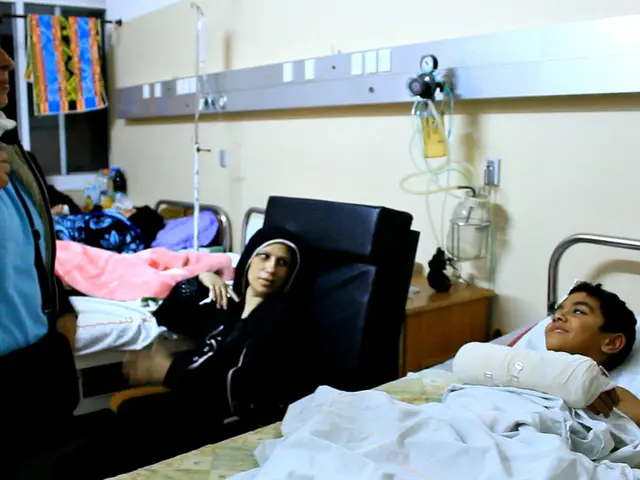
The crisis has led to severe shortages of food, fuel, and regular power blackouts, further exacerbating the already dire situation in the healthcare sector. Pharmacy shelves are bare, hospitals lack basic supplies such as gauze, suturing thread, disinfectant, and oxygen, and even life-saving medicines are in short supply.
One of the many individuals struggling to find essential medicines for their loved ones is Jessica Rodriguez, a 27-year-old physiotherapist. Her four-year-old son, Luis Angelo, was born with a deformed esophagus and has several health issues including asthma, a heart condition, and epilepsy. Luis possesses a "tarjeton," a card that grants access to subsidized medicines, but finding the necessary drugs has become a daily struggle.
Rodriguez often visits state-run pharmacies and turns to the black market due to shortages. On the black market, she is forced to pay $3 to $4 for a blister sheet of pills, a significant portion of the average monthly Cuban salary at the unofficial exchange rate.
Palomas, however, offers a glimmer of hope. This NGO provides medicines to Cubans free of charge, relying on donations and leftover medicines. Every day, Palomas publishes a list of medicines it has available and another list of those it needs via 13 WhatsApp groups.
Ibis Montalban, a 32-year-old dentist, is another beneficiary of Palomas. She managed to obtain her mother's chronic diabetes medication through the project.
The exact mechanisms by which Palomas helps Cuban citizens with medicine shortages are not fully clear, but it seems to involve community networks, local solutions, and distribution efforts aimed at helping people access essential medicines during shortages.
Cuba, once known for its advanced domestic pharmaceutical industry and medical exports, is no longer medically self-sufficient. The government has allowed travelers to bring back food and medicines in their luggage since 2021, though not for resale.
As the healthcare crisis deepens, the work of initiatives like Palomas becomes increasingly vital. Cabrera, the coordinator of Palomas, expresses gratitude that the organisation can offer "a ray of hope" to those in need. However, Rodriguez fears the medicines for her son may run out altogether.
Science plays a crucial role in the efforts ofPalomas, as they rely on research and data to identify the most pressing healthcare needs in Cuba.
Additionally, the health-and-wellness sector greatly benefits from Palomas' work, as the organization provides essential medications free of charge, thus improving the wellbeing of countless Cuban citizens facing critical medicine shortages.