
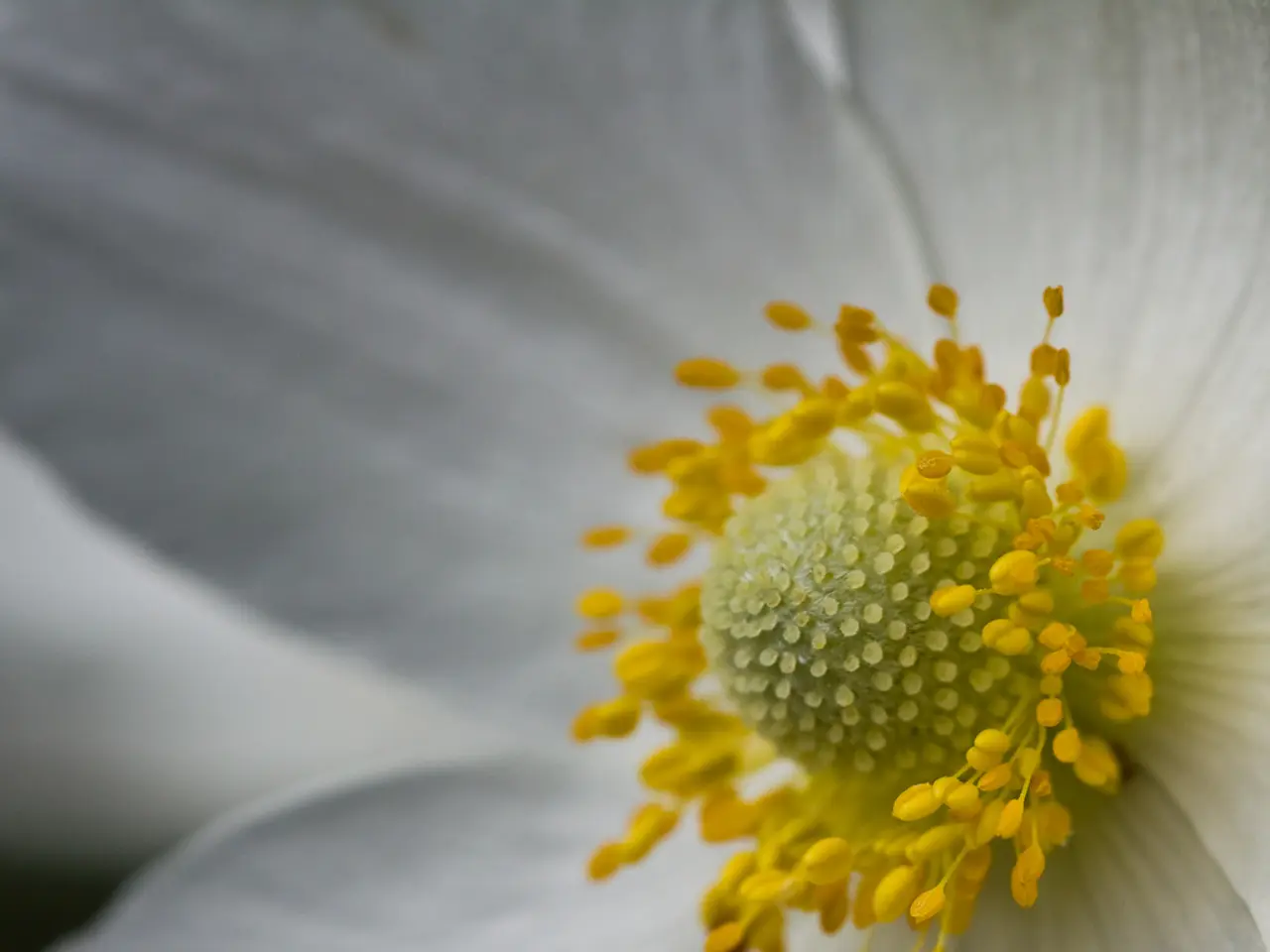
Allergy Season Looms: North Americans Brace for Ragweed and More
Allergy sufferers in North America brace themselves as the pollen season approaches. Ragweed, one of the most prolific allergens, dominates late summer and fall, affecting nearly one in five Americans. Meanwhile, spring brings a mix of tree and grass pollens that cause discomfort for many.
Tree pollens, such as those from maple, oak, birch, and elm, are most prevalent in early spring. These lightweight, dry pollens travel great distances in the wind, reaching high concentrations in the air. Grasses, including Bermuda, Johnson, and Kentucky bluegrass, start their pollen release in late spring and continue through summer. Ragweed, however, can cause year-round issues as its pollens can survive through the winter.
The market for antihistamines and decongestants has seen growth due to the widespread prevalence of pollen allergies. Despite hundreds of plant species releasing pollen annually, only a small number are responsible for most allergic reactions. The American Academy of Allergy, Asthma, and Immunology provides city-specific pollen counts to help individuals manage their allergies effectively.
Understanding the timing and types of pollen can help allergy sufferers prepare and manage their symptoms. While most people are allergic to only one type of tree, cross-reactions with certain foods can occur. With accurate pollen count information and appropriate medication, individuals can navigate the allergy season more comfortably.
Read also:
- Overweight women undergoing IVF have a 47% higher chance of conceiving naturally post-weight loss
- Bonsai Trees from Evergreen Species: Exploring Growth Characteristics & Distinct Qualities
- What temperatures may make walking your canine companion uncomfortable?
- Title: Information About Beovu: Potency, Form, Usage, and Additional Details